
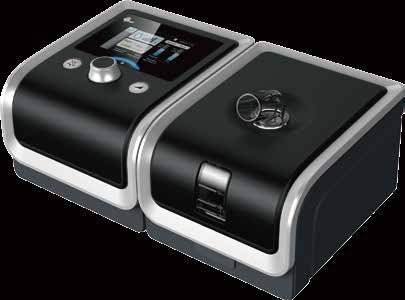
CPAP and BiPAP machines are respiratory support devices that deliver pressurised air through a mask. Although they may look similar, they work differently and are prescribed for different clinical requirements.
1. What is a CPAP machine?
CPAP stands for Continuous Positive Airway Pressure. It delivers air at a continuous prescribed pressure to help keep the upper airway open during sleep.
CPAP and Auto CPAP machines are commonly used in the management of obstructive sleep apnoea.
2. What is a BiPAP machine?
BiPAP, also known as bilevel positive airway pressure, delivers two pressure levels:
- IPAP: Higher pressure during inhalation.
- EPAP: Lower pressure during exhalation.
Some advanced BiPAP devices also offer additional modes and ventilation support features.
3. CPAP vs BiPAP: Key differences
| Feature | CPAP | BiPAP |
|---|---|---|
| Pressure delivery | One continuous pressure | Two pressure levels |
| Main function | Helps keep airway open | Provides bilevel pressure support |
| Modes | Fixed or automatic pressure | Different bilevel modes depending on model |
| Device selection | Based on clinical prescription | Based on clinical prescription |
4. What should you consider before purchasing?
Consider the prescribed therapy, pressure requirements, mask compatibility, humidification, data connectivity, service support and device features.
The choice between CPAP and BiPAP should be made by a qualified healthcare professional.
5. CPAP and BiPAP machines available at SAIMAA
SAIMAA Medical Devices offers respiratory equipment from brands including BMC, Philips Respironics, ResMed and OxyMed, subject to the current product catalogue.
Customers can explore available models for purchase or enquire about rental options in Delhi NCR.