
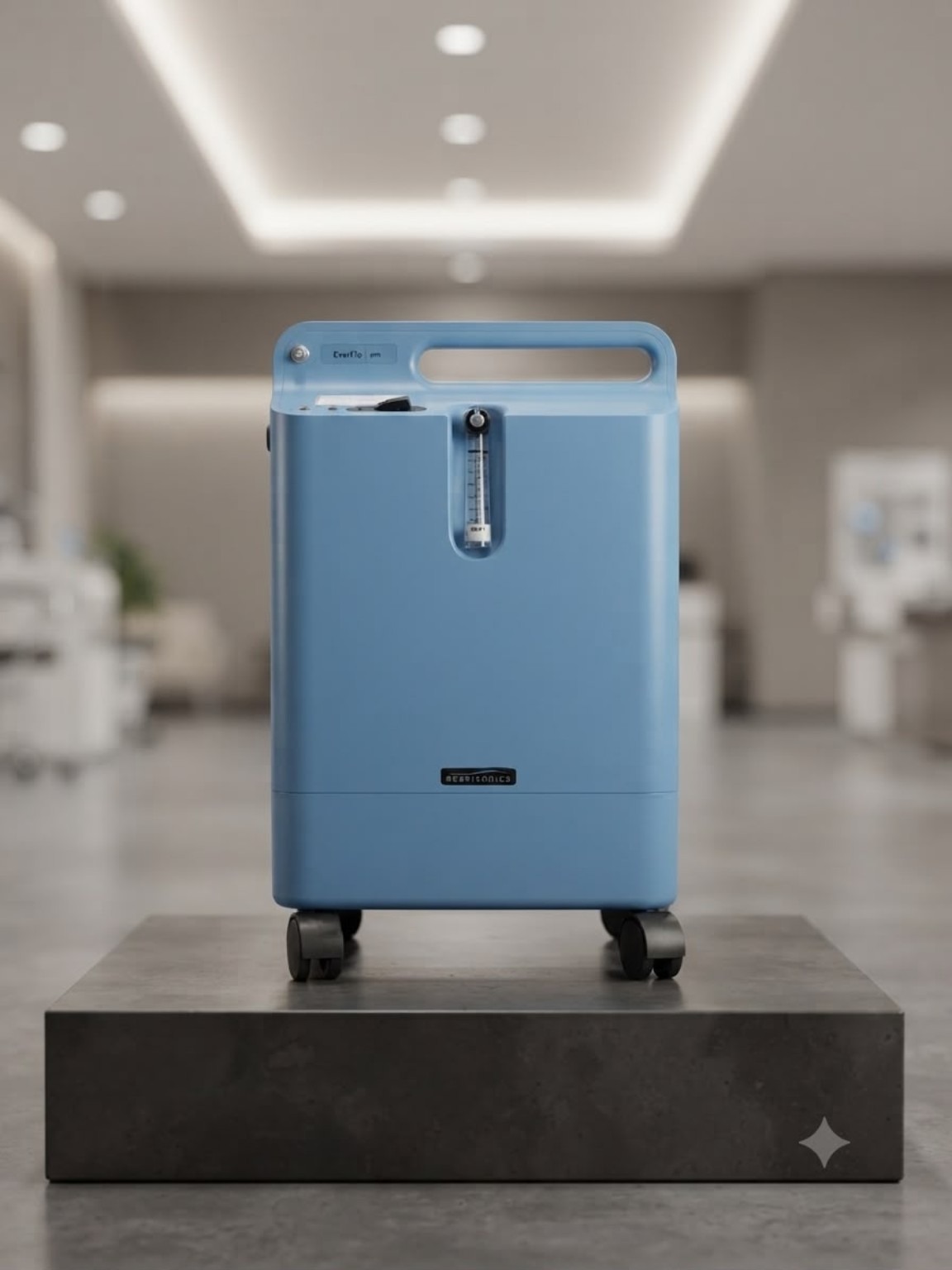
Home oxygen equipment can make prescribed oxygen therapy more convenient. However, choosing a suitable device requires attention to medical requirements, technical specifications and practical home conditions.
1. Confirm the prescribed oxygen requirement
Before purchasing or renting an oxygen concentrator, discuss the following with the treating clinician:
- Prescribed oxygen flow rate.
- Required oxygen concentration.
- Duration of use.
- Continuous-flow or other prescribed delivery requirements.
- Whether a portable oxygen system is needed.
Never change oxygen flow settings without medical guidance.
2. Understand the flow capacity
Common stationary oxygen concentrator capacities include 5 LPM and 10 LPM.
Check the manufacturer's oxygen concentration specifications at the required flow rate, not only the maximum flow rating.
3. Check essential device features
- Oxygen purity monitoring.
- Low oxygen concentration alarm, where provided.
- Power failure alarm.
- Pressure and operating alarms.
- Hour meter.
- Noise level.
- Power consumption.
- Ease of maintenance.
4. Consider the home environment
Check whether the installation area has adequate ventilation, a suitable electrical connection and sufficient space.
Keep oxygen equipment away from flames, smoking and heat sources. Oxygen supports combustion and requires careful fire-safety practices.
5. Consider service and maintenance
- Warranty.
- Maintenance schedule.
- Filter cleaning or replacement.
- Technical support.
- Installation and demonstration.
- Availability of replacement equipment if required.
6. Explore oxygen concentrators at SAIMAA
SAIMAA Medical Devices lists oxygen concentrator options from brands including OxyMed and Philips Respironics.
Customers in Delhi NCR can enquire about current product specifications, sales and rental availability.