
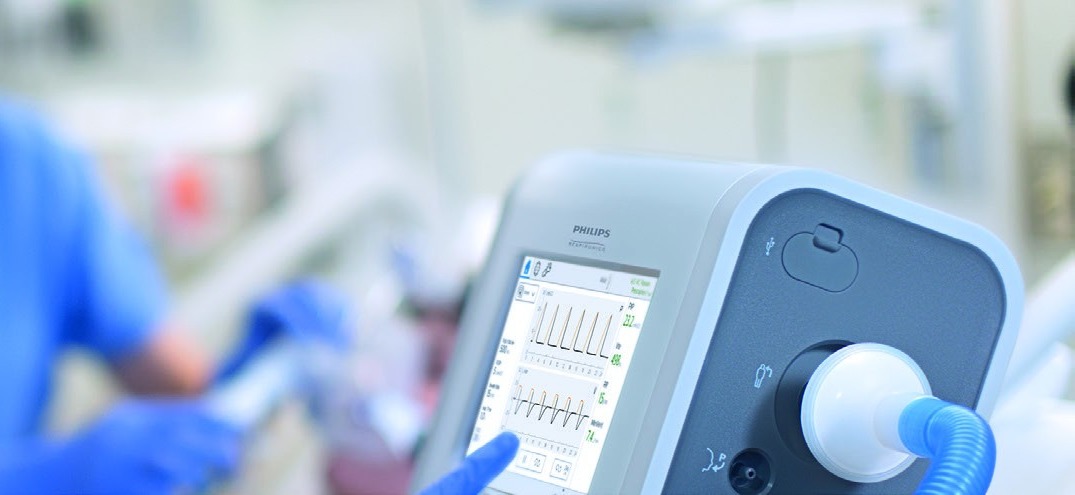
Ventilators and BiPAP machines are respiratory support devices, but they are not interchangeable.
Their functions, operating modes and clinical applications can differ considerably.
1. What is a BiPAP machine?
A BiPAP machine provides two pressure levels:
- Higher inspiratory pressure.
- Lower expiratory pressure.
It is a form of non-invasive respiratory support delivered through a suitable interface, commonly a mask.
2. What is a ventilator?
A ventilator is a medical device designed to assist or control breathing.
Depending on the model, it may provide different ventilation modes and support configurations. Some ventilators are designed for non-invasive ventilation, while others can support invasive ventilation through an appropriate airway interface.
3. Key differences
| Feature | BiPAP | Ventilator |
|---|---|---|
| Primary function | Bilevel pressure support | Assists or controls breathing |
| Interface | Commonly a mask | Mask or invasive airway, depending on model |
| Modes | Bilevel modes | Multiple ventilation modes, model dependent |
| Applications | Selected respiratory support requirements | Broader range of respiratory support requirements |
| Operation | Depends on prescribed therapy | Depends on clinical requirements and model |
4. What should hospitals and healthcare providers consider?
When comparing respiratory support equipment, assess:
- Required ventilation modes.
- Patient population.
- Invasive or non-invasive support requirements.
- Monitoring features.
- Alarm systems.
- Battery backup.
- Circuit and accessory compatibility.
- Service and technical support.
Equipment selection and settings must be determined by qualified clinical professionals.
5. Ventilators at SAIMAA Medical Devices
SAIMAA's catalogue includes selected respiratory support devices such as:
- ResMed Stellar 150.
- ResMed Astral 150.
- Philips Trilogy Evo.
- Philips Trilogy EV300.
Contact SAIMAA for model-specific specifications, availability, pricing and rental information.